
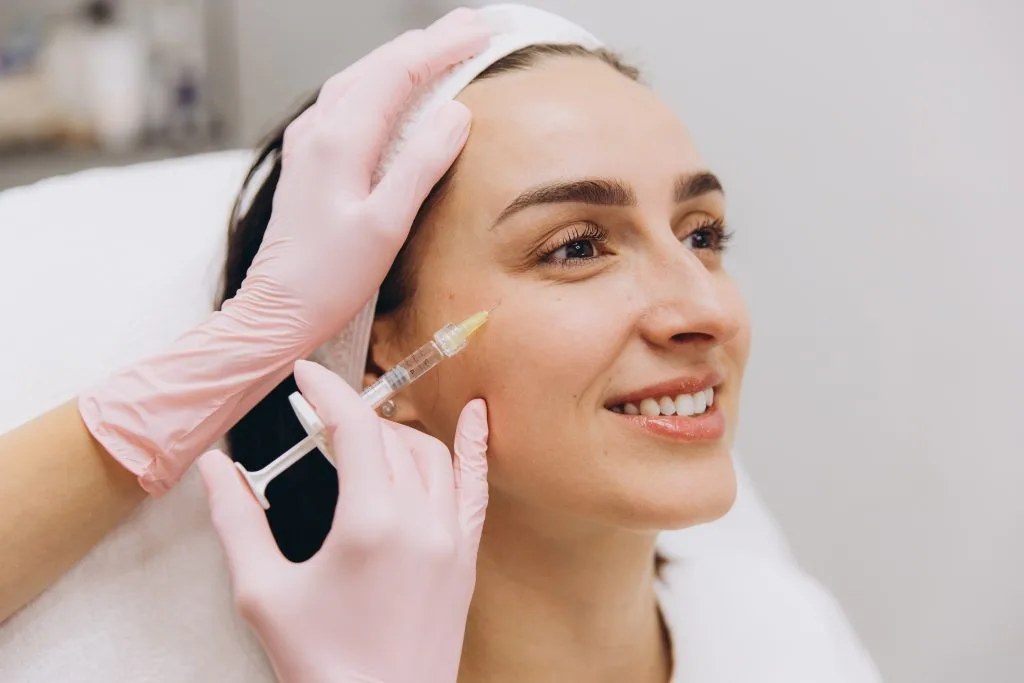
Everything You Need to Know About Dermal Fillers
Dermal fillers are injectable, gel-like substances used by medical professionals to restore lost volume, smooth lines and wrinkles, and enhance facial contours without surgery. They can provide natural-looking facial rejuvenation with minimal downtime, making them a popular choice for those seeking a refreshed appearance. At Scottsdale Laser Lounge & Medspa, dermal fillers are planned around your unique facial anatomy under medical oversight, so the results look balanced, not overdone.
People in Scottsdale, AZ, often ask about fillers after noticing flatter cheeks, thinner lips, or deeper folds around the mouth. Collagen, elastin, and fat slowly shift with age, sun, and expression. Fillers put support back under the skin so light hits the face more evenly, helping you look refreshed while still reading as you.
Understanding Dermal Fillers
Dermal fillers are soft gels injected beneath the skin to add structure where volume has thinned. They are not the same as Botox, which relaxes the muscles that cause skin creases.
Fillers physically occupy space. They address static wrinkles and volume loss by plumping tissue from within. Most modern fillers are temporary, and your body breaks them down over months to a couple of years.
How Do Dermal Fillers Work?
The primary mechanism is straightforward: filler adds volume where it is injected. Hyaluronic acid fillers bind moisture and instantly occupy space. Other formulas create a scaffold and signal your body to build collagen.
When placed strategically, this added support can:
Lift and support sagging skin
Smooth deep creases and fine lines
Restore youthful contours to the cheeks and temples
Enhance the shape and size of the lips
Improve the appearance of recessed scars
Soften shadows so light reflects more evenly
Why Are Dermal Fillers Used?
People choose fillers to restore volume, soften etched lines, and refine shape. Common treatment goals include:
Softening nasolabial folds (the lines from the nose to the corners of the mouth)
Diminishing marionette lines (the lines from the corners of the mouth down to the chin)
Restoring volume to sunken cheeks or temples
Plumping and defining the lips with a soft border
Smoothing vertical lip lines (smoker’s lines)
Improving facial symmetry
Contouring the jawline and chin
Less hollow under-eye troughs, when a product is suited to that area
More youthful-looking hands
Fillers also help when someone wants a change without the downtime of surgery. Many pair them with facials or microneedling so texture and tone improve along with shape.
Types of Dermal Fillers
The world of dermal fillers is diverse. Formulas differ in thickness, flexibility, longevity, and ideal placement. Some act like a soft sponge. Others feel firmer and are better for structure. A few work mainly by prompting collagen.
What Are Fillers Made Of?
Fillers are categorized by the substance they contain. Knowing the main product families helps you ask better questions at a consult.
Hyaluronic Acid (HA)
Hyaluronic acid is a naturally occurring sugar molecule found in your skin, joints, and connective tissues. It keeps skin hydrated and plump. In filler form, it is cross-linked into a clear, soft gel.
Calcium Hydroxylapatite (CaHA)
Calcium hydroxylapatite is a mineral-like compound related to what is found in bone. Tiny calcium particles sit in a smooth gel. CaHA fillers are typically thicker than HA fillers and tend to last longer, often up to 12 months or more.
They are well-suited for deeper wrinkles and for areas that need more structure, such as the cheeks or jawline. CaHA gives lift on the day of treatment and can encourage collagen as the gel carrier fades. It is generally not the first pick for lips.
Poly-L-lactic Acid
Poly-L-lactic acid (PLLA) is a biocompatible, biodegradable synthetic substance used for years in medical devices like dissolvable stitches. PLLA fillers are collagen stimulators, not simple space-filling gels.
Instead of filling wrinkles directly, they stimulate your body to produce its own collagen:
Results appear gradually over several months
Several sessions are typical
Often discussed when someone wants overall facial volume rather than a single line treated
Results can last two years or more, with upkeep visits to hold the gain
You will not see the full change the same afternoon. Patience is part of the plan.
Polymethylmethacrylate (PMMA)
PMMA is a synthetic, biocompatible substance used in medicine for decades. In dermal fillers, it takes the form of tiny microspheres suspended in a collagen-based gel.
The collagen provides immediate volume, while the microspheres remain in place as a scaffold that supports new collagen growth. PMMA offers a more long-lasting solution for deep wrinkles, folds, and certain acne scars. Because it does not dissolve the way HA does, planning and placement matter even more. This is not a “try it and see” filler.
Which Filler Is Right for You?
The right filler depends on your aesthetic goals, the area being treated, your facial anatomy, your medical history, how long you want results to last, and how your tissue behaves.
Lips usually need a soft, flexible gel
Cheeks may need a product that can hold shape
Fine lines near the mouth may need a thinner gel
Collagen stimulators suit a slower, global refresh
Our skilled professionals review your features, skin quality, and goals before recommending a plan. Bring photos of yourself from a few years ago if you want a natural reference. That often works better than a celebrity photo.
FDA Guidance and Safety
Safety should always be the top priority. The FDA has approved dermal fillers for specific uses in people aged 22 and older. Approved uses include:
Correcting moderate to severe facial wrinkles and folds (like nasolabial folds)
Augmenting the lips, cheeks, chin, and back of the hands
Restoring facial fat loss in people with HIV
Correcting acne scars in the cheeks
For some products, under-eye hollows
Each product label lists where it may be used and in whom. FDA clearance means the product was studied for that use. It does not mean every product belongs in every part of the face. Matching product to site is part of responsible care.
FDA Warnings About Unapproved Fillers
The FDA issues strong warnings against certain practices:
Never buy fillers online, at non-medical events, or from anyone who cannot show a legitimate, approved product. Fillers sold directly to the public may be fake, contaminated, or expired
Avoid needle-free injection devices such as hyaluron pens. They are not FDA-approved and can cause serious injury and uneven results
Do not use fillers for large-scale body contouring. The FDA has not approved dermal fillers for injection into the breasts, buttocks, or spaces between muscles
Unapproved silicone, “DIY” kits, and mystery gels sold on social platforms are unsafe
In some cases, a person may have an allergy, a cold-sore flare, or a longer-lasting bump. Tell our team about your medicines, allergies, past filler, and any history of cold sores. Share if you are pregnant, nursing, or planning dental work soon.
Benefits of Dermal Fillers
The widespread popularity of dermal fillers stems from immediate visual improvements, a long-term confidence boost, and results tailored to your face.
Restoration of Volume and Plumpness
Volume loss is one of the main reasons a face can look tired, even when you feel fine. Cheeks flatten, temples hollow, and lips thin. Fillers restore support in those zones so the face looks more like it did when the tissue was fuller.
Diminishing Fine Lines and Wrinkles
Fillers are exceptionally effective at smoothing static wrinkles – the lines visible even when your face is at rest. By plumping the skin from beneath, they can dramatically reduce:
Nasolabial folds and smile folds
Marionette lines and the corners of the mouth
Vertical lip lines and other deep-set creases
Dynamic lines from muscle movement may still need a neuromodulator. Many people use both, on a plan that treats cause as well as crease.
Stimulating Collagen Production
Certain fillers, including CaHA and PLLA, do more than occupy space. They act as biostimulants, prompting fibroblasts to make collagen. That extra scaffold may improve firmness and elasticity even after the initial gel effect changes.
Customizable and Natural-Looking Results
Filler is not an on/off switch. Dose, depth, and product can be adjusted so you can start conservatively and add later. At Scottsdale Laser Lounge & Medspa, our team ensures the amount and placement are perfectly tailored to your facial structure and goals. The aim is a refreshed, natural look that makes you look like the best version of yourself.
Minimally Invasive Procedure
Compared to surgical procedures like a facelift, dermal filler treatments are minimally invasive. The procedure is performed in the office, involves no incisions or general anesthesia, and requires little to no downtime.
You remain awake and can talk about comfort as you go. Most patients resume daily activities immediately after their appointment. Complementary skin treatments can still be scheduled around filler dates so the whole plan stays simple.
Long-Lasting Effects
While not permanent, results from dermal fillers are long-lasting. Depending on the type of filler, the area treated, your metabolism, and how expressive you are, you can expect results to last anywhere from six months to over two years.
HA in the lips may last several months. Deeper cheek products may last a year or more. Collagen stimulators can hold longer after a full series. This makes fillers a convenient and cost-effective way to maintain a youthful appearance.
Boosting Confidence and Self-Esteem
When the face in the mirror matches how you feel, daily life gets easier. People often say they look less tired or less stern. Friends may not name the treatment; they just say you look rested.
That quiet shift can help you feel more vibrant and confident in both your personal and professional life. Confidence is personal, though. Filler cannot fix every concern, and it should never be framed as a requirement.
The Dermal Filler Procedure
Knowing what to expect before, during, and after treatment can help you feel more comfortable and prepared.
Pre-Treatment Consultation
Your journey begins with a thorough consultation, not a syringe. This is the most important step in the process.
During this meeting, you will:
Discuss your aesthetic concerns, desired outcomes, and what you do not want
Review your medical history, medicines, supplements, and prior treatments
Have your facial structure assessed, including how your face moves when you smile and speak
Hear which areas can change with filler and which may need another approach
Preparing for the Procedure
To minimize bruising and swelling, you will typically be asked to:
Avoid blood-thinning medications and supplements (such as aspirin, ibuprofen, fish oil, high-dose vitamin E, and ginkgo) for about a week before your appointment
Do not stop a prescribed blood thinner unless the clinician who manages that medicine says it is safe
Refrain from alcohol for at least 24 hours prior to treatment
Arrive with a clean, makeup-free face
Eat a normal meal so you do not feel lightheaded
Ask whether an antiviral is needed first if you get cold sores and the mouth area is on the plan
What Happens During the Injection Process
The filler procedure itself is relatively quick, often taking only 15 to 30 minutes.
Cleansing: The treatment area is thoroughly cleansed with an antiseptic.
Numbing: A topical numbing cream is applied to the area to make it feel more comfortable.
Marking: The injector may make small marks on your skin to guide precise placement.
Injecting: Using a very fine needle or a blunt-tipped cannula, filler is carefully injected at the correct depth and amount. You will sit or recline while the practice team works in small amounts and checks symmetry as they go.
Massaging: After the injections, the provider may gently massage the area to help the filler distribute more evenly.
Most people describe pressure or a brief pinch more than lasting pain. Speak up if something feels sharp or odd. You will see an initial change before you leave, though swelling can hide the final shape for a few days.
What Happens After the Procedure
You will see a difference immediately, along with some initial swelling and redness. Your provider will give you post-treatment care instructions, and you are typically free to return to your normal routine right away.
A cool compress, used gently, can help. Makeup is often delayed until the next day unless you are told otherwise. Know who to contact if swelling grows quickly, if vision changes, or if pain feels severe.
Recovery and Aftercare
Proper aftercare is essential for the results and a smooth recovery.
Immediate Post-Treatment Care
In the first 24–48 hours after your injections:
Apply a cold compress or ice pack to help reduce swelling and bruising
Keep the area clean and avoid heavy pressure
Do not mash, knead, touch, rub, or “test” the gel unless you were given a specific massage plan
Sleep with your head elevated on an extra pillow the first night
Avoid strenuous exercise until you are cleared, usually about 24 hours, because extra blood flow can increase swelling
Skip intense heat – saunas, hot tubs, hot yoga, long hot showers, and sun exposure – for a day or two
Longer-Term Aftercare Tips
To protect your investment and maintain your results:
Wear broad-spectrum sunscreen daily; UV light ages the same tissue you just supported
Drink water, especially after HA filler, because those gels work with moisture
Follow a simple skincare routine until tenderness fades: cleanser, moisturizer, SPF
Be gentle with facials, scrubs, and devices in the first week
What Is the Recovery Time?
There is virtually no downtime with dermal fillers. Most patients return to work, errands, and social activities the same day.
Social downtime is usually about swelling and bruising, not bed rest. Lips swell more than cheeks. Bruising, if it happens, can last several days and can be covered with makeup once the skin is intact. These effects typically resolve within a few days to a week. Plan important photos a week or two out when you can.
How Long Do the Results Last?
Longevity depends on several factors:
Type of filler: HA fillers may last 6–18 months. HA lip treatments often last about six months, sometimes longer. Fold and cheek treatments may last nine to eighteen months. CaHA and collagen stimulators can last two years or more after a full plan
Area treated: Fillers in more mobile areas (like the lips) break down faster than those in less mobile areas (like the cheeks)
Your metabolism: Everyone’s body metabolizes filler at a different rate, and how expressive you are also plays a role
Maintenance is easier when you return before the product is fully gone. A smaller touch-up can hold a look that took more product to build the first time.
Potential Side Effects
The most common side effects are mild, temporary, and localized to the injection site. They usually subside within one to two weeks:
Redness and mild swelling
Bruising
Tenderness, a dull ache, or pain
Itching
Small, temporary lumps or bumps under the skin
Less common effects include prolonged swelling, visible product if placed too high, a cold sore outbreak, or an allergic reaction. Seek urgent care for severe pain, skin that turns very pale or dark, or any vision change.
Dermal Filler Do’s and Don’ts
Do
Choose a qualified, licensed, experienced medical professional
Have your treatment in a clean, medical environment like our medspa
Share your full medical history, medicines, allergies, and prior injectables
Start with a conservative plan if you are new to filler
Follow the written aftercare sheet
Book follow-up if something feels off
Ask to see the product packaging if you are not sure what is being used
Don’t
Look for “bargain” fillers, buy syringes online, or attend “filler parties”
Go to an unlicensed injector or a non-medical setting
Fly to an event the same afternoon if you bruise easily
Book dental work, facial waxing, or deep tissue massage on the area right away
Ignore sudden, severe pain or vision symptoms
Compare your dose to a friend’s. Faces are not interchangeable
Conclusion
Ultimately, dermal fillers can be a versatile option for restoring volume, softening lines, and enhancing facial contours with little downtime. The best results come from choosing the right product and treatment approach for your anatomy and goals, while prioritizing safety and professional medical guidance. By working with a qualified provider, following appropriate aftercare, and taking a conservative, personalized approach, you can achieve subtle, natural-looking results that help you feel refreshed and confident.

About the Author