
How to Choose the Best Laser Hair Removal Treatment for Dark Skin?
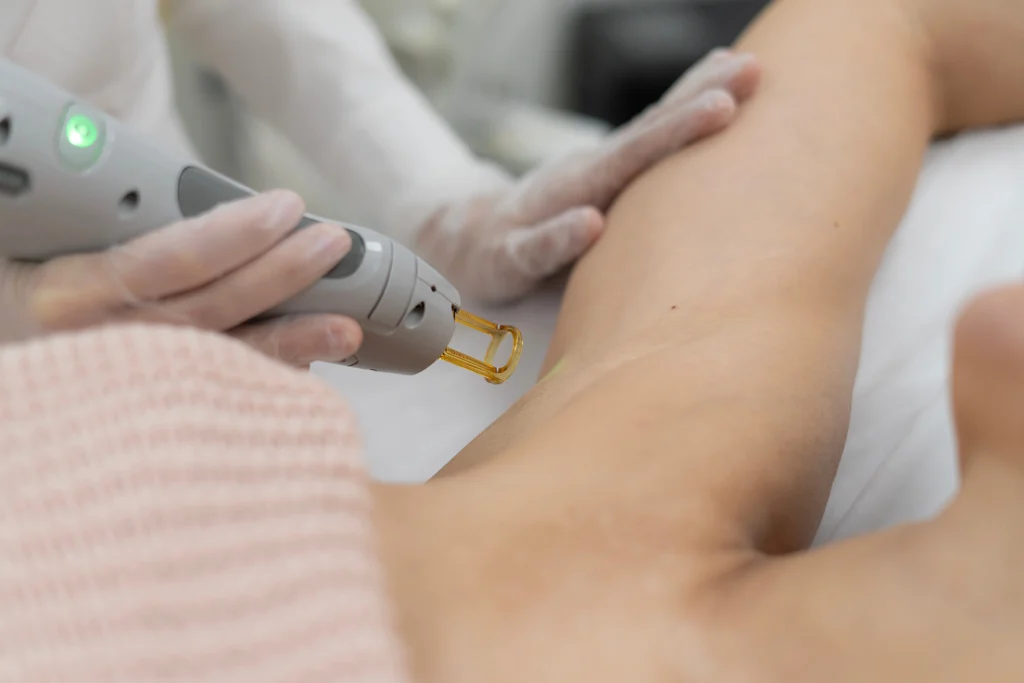
For years, people with dark skin faced limited options when seeking laser hair removal, with many treatments risking burns, scarring, or hyperpigmentation. Today, advances in laser technology have changed the landscape entirely. The best laser hair removal treatments for dark skin use longer wavelengths, specifically Nd:YAG lasers operating at 1064nm, which penetrate deeper into the skin while bypassing the melanin in the epidermis. This technology allows practitioners to target hair follicles effectively without damaging the surrounding darker skin tissue, making safe and effective hair removal finally accessible to everyone.
Understanding why certain lasers work better for dark skin requires a basic grasp of how these treatments function and what makes melanin-rich skin unique in its needs and considerations.
Understanding Different Skin Types and Laser Compatibility
The Fitzpatrick scale classifies skin into six categories, with types IV through VI representing darker skin tones. This classification system helps practitioners determine appropriate laser settings and treatment protocols. Skin types IV and V include brown skin tones that tan easily and rarely burn, while type VI represents the darkest skin that never burns from sun exposure.
Traditional laser systems like Alexandrite and diode lasers, which work exceptionally well on lighter skin, pose significant risks for darker complexions. These shorter-wavelength lasers cannot distinguish between the melanin in hair follicles and the melanin in darker skin, leading to potential complications. The melanin in dark skin absorbs too much laser energy, which can cause burns, blisters, and permanent changes in skin pigmentation.
Modern Nd:YAG lasers address this problem by using longer wavelengths that penetrate the skin’s surface layer more safely. The laser energy travels deeper to reach the hair follicle while minimizing interaction with epidermal melanin. This makes it the gold standard for treating individuals with darker skin tones who want to remove unwanted hair permanently.
Exploring Your Laser Hair Removal Options
When researching laser hair removal options, you’ll encounter several technologies marketed for dark skin. Not all deliver on their promises, so understanding the differences matters significantly.
The Nd:YAG laser remains the safest and most effective choice. Clinical studies consistently demonstrate its ability to reduce hair growth in darker skin with minimal side effects when operated by trained professionals. These lasers can be adjusted for different areas of the body and various depths of skin pigmentation, offering versatility that other systems lack.
Diode lasers with specialized cooling systems represent a secondary option for some individuals with type IV skin. However, they require extreme caution and should only be used by experienced practitioners who can properly calibrate the settings. Even slight miscalculations can lead to adverse reactions in melanin-rich skin.
Intense pulsed light (IPL) devices should generally be avoided for dark skin. While marketed widely and often available at lower prices, IPL systems use broad-spectrum light rather than focused laser energy. This makes them unpredictable and potentially dangerous for anyone beyond type III on the Fitzpatrick scale. The risk of burns and hyperpigmentation far outweighs any potential benefits.
Treating Different Areas of Body Hair
Different areas of body hair respond uniquely to laser treatment, and certain zones require special consideration for darker skin tones.
Facial hair removal, particularly for women dealing with unwanted growth on the upper lip, chin, or sideburns, typically requires more sessions than body treatments. The hair in these areas tends to be finer but denser, and the face’s visibility makes any potential pigmentation changes more concerning. Conservative energy settings and longer intervals between sessions help minimize risks while still achieving results.
Underarm hair responds well to laser treatment in dark skin when proper protocols are followed. The skin in this area is often slightly lighter than surrounding body areas, but it’s also more sensitive and prone to irritation. Practitioners must account for the natural curves and folds of the underarm when positioning the laser handpiece.
Leg treatments cover large surface areas and generally proceed smoothly with appropriate laser selection. The skin on the legs typically tolerates treatment well, though the lower legs may require different settings than the thighs due to variations in skin thickness and hair density.
Safely Treating the Bikini Line
The bikini line presents unique challenges for laser hair removal in darker skin tones. This area often exhibits darker pigmentation than other parts of the body, and the skin here is particularly sensitive. The coarse, dense hair growth common in the bikini area requires higher energy levels for effective treatment, but the darker skin demands caution.
Practitioners experienced in treating darker skin know to use conservative settings initially, gradually increasing energy levels only after confirming the skin’s tolerance. Multiple sessions spaced appropriately allow for steady progress without overwhelming the skin. Many people find that even though bikini area treatments require patience, the results prove worth the investment, especially compared to the irritation and ingrown hairs caused by shaving or waxing these sensitive areas.
Post-Treatment Care with Aloe Vera and Other Essentials
Proper aftercare significantly impacts both your comfort and results following laser hair removal.
Using aloe vera immediately after treatment soothes the skin and reduces inflammation. Pure aloe vera gel, preferably refrigerated, provides cooling relief and helps the skin recover more quickly. Apply it generously to treated areas for the first 24 to 48 hours after each session.
Avoid hot showers, steam rooms, saunas, and vigorous exercise for at least 24 hours post-treatment. These activities increase blood flow and body temperature, which can intensify any inflammation or discomfort. Similarly, skip exfoliating products, retinoids, and other active skincare ingredients for several days to prevent irritation.
Sun protection becomes non-negotiable after laser treatment, especially for dark skin. Even though darker skin contains more protective melanin, laser-treated areas remain vulnerable to hyperpigmentation if exposed to UV rays. Apply broad-spectrum SPF 30 or higher daily, and wear protective clothing when spending extended time outdoors. This precaution should continue for several weeks after each treatment session.
Moisturize consistently to maintain the skin’s barrier function and promote healing. Gentle, fragrance-free moisturizers work best during the recovery period. Some people notice temporary darkening or lightening of the treated area, which typically resolves within a few weeks if proper sun protection is maintained.
Planning for Touch-Ups and Long-Term Maintenance
Even with optimal treatment, most people require touch-ups to maintain completely smooth skin. Hair grows in cycles, and laser treatment only affects follicles in the active growth phase. Initial treatment series typically involve six to eight sessions spaced four to eight weeks apart, depending on the body area and individual hair growth patterns.
After completing the initial series, many people enjoy months or even years of smooth skin before noticing any regrowth. When hair does return, it’s often finer, lighter, and sparser than before treatment. Scheduling annual or biannual touch-up sessions can maintain results indefinitely. These maintenance treatments usually require lower energy settings and cause less discomfort than initial sessions since significantly less hair remains.
The total number of sessions needed varies based on hormonal factors, genetics, the treatment area, and how consistently you attend appointments. Darker skin sometimes requires more total sessions than lighter skin because practitioners must use more conservative energy settings, but the trade-off ensures safety and prevents complications.
Considering At-Home Use Devices: Proceed with Caution
The market offers numerous devices designed for at-home use, promising professional results without professional costs. For individuals with dark skin, these devices require careful evaluation and, honestly, considerable skepticism.
Most at-home laser and IPL devices are not designed for or tested on darker skin tones. Manufacturers often include vague warnings about skin type limitations, and many explicitly state that their products should not be used on dark skin. Ignoring these warnings risks serious burns and permanent scarring.
Even devices marketed as “safe for all skin tones” typically lack the power and precision of professional equipment. The Nd:YAG technology that makes professional treatment safe for dark skin is rarely found in consumer devices. If you’re considering an at-home device, consult with a dermatologist or licensed laser technician first. They can assess whether a specific device might be appropriate for your skin type and provide guidance on safe usage.
Final Thoughts on the Best Laser Hair Removal for Dark Skin Tones
Is laser hair removal safe? When performed correctly with the appropriate technology, laser hair removal works exceptionally well for different skin tones, from fair skin to black skin and dark brown complexions. The long-pulsed YAG laser specifically targets dark hair while protecting surrounding skin and deeper skin tones, offering minimal risks when the right provider starts at the lowest setting and gradually adjusts. While radio-frequency and other alternatives exist, and some may combine treatments like chemical peels, laser procedures remain the gold standard. Understanding your hair type, knowing how many sessions you’ll need, and following aftercare protocols – including hydrocortisone cream for inflammation and monitoring for dark spots – ensures success across your laser hair removal sessions.
The key to exceptional results lies in choosing an experienced practitioner who understands that darker skin requires specialized approaches, recognizes that higher risk comes from inappropriate equipment or settings, and knows how light energy interacts with melanin-rich skin. With proper technique, conservative initial treatments, and patience throughout the process, individuals with deeper skin tones can safely achieve the long-lasting hair reduction they desire without compromising their skin’s health or appearance.
About the Author
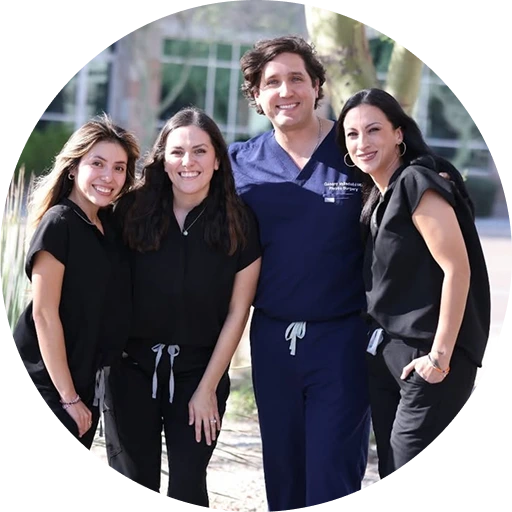
Dr. Genaro Valladolid’s surgical skill is founded upon years of advanced study, training and academic success. He is certified by the American Board of Plastic Surgery.