
Is Laser Hair Removal Permanent?
Laser hair removal is not always permanent in the strictest sense, but it is designed to deliver long-lasting hair reduction, meaning many treated hairs stop growing for a very long time, and any regrowth is often finer and lighter. For most people, a full treatment series leads to smooth skin that lasts for months to years, with occasional touch-ups helping maintain results.
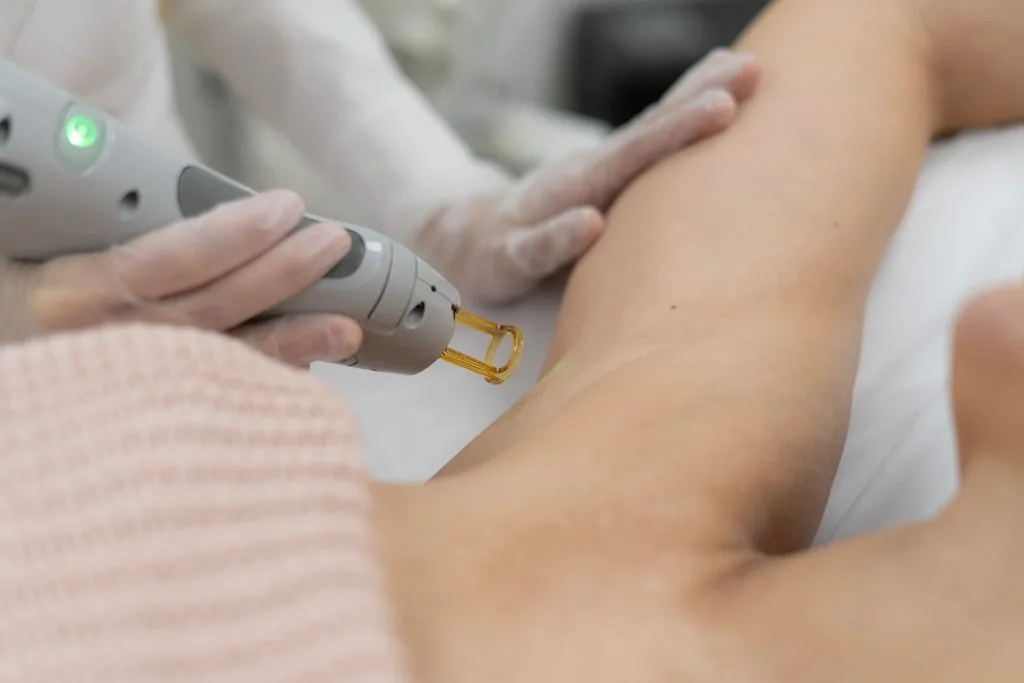
Laser hair removal is popular because it reduces the need for shaving and waxing and can be customized to different areas of the face and body. At Scottsdale Laser Lounge & Medspa, treatments are performed using the Candela GentleMax Pro Plus, an advanced laser system designed to support effective results while prioritizing comfort (including integrated cooling technology).
How Laser Hair Removal Works
Understanding the Laser Process
Laser hair removal works by delivering targeted laser energy that is absorbed by pigment (melanin) in the hair. That energy converts to heat and is intended to disable the hair follicle’s ability to produce a strong new hair. Because the laser targets pigment, darker hair tends to absorb more energy than very light hair.
Importantly, laser hair removal is considered a form of hair reduction, not a guarantee of removing every single hair forever. The goal is to significantly reduce the amount of hair in a treated area and slow its return.
If you’re exploring treatment for a specific area, you can learn more on our laser hair removal page.
Hair Growth Phases and Their Role
Hair doesn’t grow all at once. Each follicle cycles through phases, and laser hair removal is most effective when hair is in the active growth phase (anagen). In this phase, the hair is more firmly connected to the follicle and contains more pigment – both of which improve the laser’s ability to affect the follicle.
Other hairs may be in:
Catagen (transition phase): the follicle begins to shrink
Telogen (resting phase): the hair is no longer actively growing and will eventually shed
Because different hairs are in different phases at any given time, multiple sessions are used to catch more hairs during anagen over time. This is one of the biggest reasons laser hair removal is done as a series rather than a one-time treatment.
How Long Do Results Last?
For most people, laser hair removal can create a very long-lasting reduction, but it may not eliminate hair growth forever in every follicle. Some follicles may recover over time, and other follicles can become active due to factors like hormones or genetics.
That said, many people experience a major drop in hair density after completing a series, and they may only see slower regrowth – sometimes limited to scattered fine hairs that are easier to manage.
A helpful way to think about laser hair removal is that it aims to change hair growth patterns long-term:
less hair overall
hair that grows back more slowly
hair that may become finer and lighter
Typical Duration of Results
Results vary by person and body area, but a common pattern looks like this:
After a few sessions, hair often begins to grow back patchier and more slowly.
By the end of a recommended series, many people report extended smooth periods and far less maintenance.
Over time, some regrowth can occur, and touch-ups can help keep results consistent.
Different body areas also respond differently. For example, areas with coarser, darker hair often respond more noticeably than areas with very fine hair. Facial zones can be more influenced by hormones, which may affect how long results last.
For area-specific details, Scottsdale Laser Lounge & Medspa has dedicated pages, such as Neck (Men) and Hands (Women), that explain the goals for each region.
Factors Affecting Laser Hair Removal Results
Skin and Hair Color Considerations
One of the biggest factors in how well laser hair removal works is the relationship between:
hair color/pigment
skin tone
hair thickness
In general, laser hair removal targets pigment in the hair. Darker hair tends to respond well because it provides a clearer “target” for the laser energy. Very light blonde, white, or gray hair may be harder to treat because there is less pigment for the laser to recognize.
Skin tone matters, too – primarily for safety and settings selection. Modern systems are designed to treat a range of skin types when appropriate settings are used. An experienced team will customize your plan to your skin and hair characteristics to support effective outcomes while reducing unnecessary irritation.
Number of Treatments Needed
Laser hair removal is typically planned as a series because of hair growth cycling. The number of sessions needed depends on:
the area treated (face vs. legs vs. underarms, etc.)
hair density and thickness
how your hair responds over time
consistency of sessions with the recommended schedule
Skipping or spacing sessions too far apart can make it harder to target hair during the optimal growth window, potentially slowing progress.
Some areas are also more “stubborn” due to hair type or hormonal sensitivity. For example:
underarms and lower legs often respond well because hair is frequently darker/coarser
facial areas can require more maintenance because of hormonal influences
If you’re looking at treatment categories, you can browse Women or Men (as organized on our site).
Hormonal Influences
Hormones can have a major impact on whether hair stays away long-term, particularly in areas like:
chin and upper lip
neck/jawline
chest/abdomen (for some people)
Hormonal shifts can occur due to life stage changes, underlying endocrine conditions, or certain medications. Even after a strong response to treatment, hormones may stimulate new growth in the future. This doesn’t mean laser “didn’t work” – it means your body can activate other follicles over time.
If hormonal hair growth is part of your concern, you may find it helpful to treat it with the expectation that:
You can still achieve a significant reduction, and
Maintenance sessions may be part of long-term results
Maximizing and Maintaining Results
Tips to Prolong Smooth Skin
To get the most out of your series and help results last, focus on consistency and skin care basics. While your treatment plan will be personalized, these general habits often support better outcomes:
Stick to your session schedule. Consistency helps target hairs at the right point in the growth cycle.
Avoid waxing or plucking between sessions. These remove the hair from the follicle, which can reduce what the laser can target. Shaving is typically preferred because it leaves the follicle intact.
Follow pre- and post-care guidance. This commonly includes avoiding unnecessary heat/irritation to the area and using gentle skincare as instructed.
Limit sun exposure on treated areas. Sun exposure can make skin more reactive and may require timing adjustments. Use sun protection consistently, especially for the face, neck, and other exposed areas.
Treat skin gently after sessions. Keep products simple and avoid harsh exfoliation right away unless you’re told it’s appropriate.
Because comfort and safety matter, technologies with cooling support can be helpful. Scottsdale Laser Lounge & Medspa uses the Candela GentleMax Pro Plus, which includes an integrated cooling feature designed to increase comfort during treatment.
When Touch-Up Sessions May Be Needed
Even after a successful series, touch-ups are sometimes needed. That doesn’t mean you’re “starting over” – it’s simply maintenance.
Touch-up sessions may be useful when:
You notice a few scattered hairs returning
Hair gradually becomes more noticeable over time
Hormones or new growth patterns develop
You’re treating an area known for higher regrowth (often facial zones)
Many people find that touch-ups are relatively infrequent compared to the upkeep required with shaving or waxing.
Aftercare Tips
Common temporary effects after laser hair removal can include:
redness
mild swelling around follicles (sometimes described as a “goosebump” look)
warmth or tenderness in the treated area
temporary changes in skin sensitivity
Less commonly, people can experience issues like irritation that lasts longer than expected or changes in pigmentation.
To reduce irritation, it’s important to:
follow your team’s pre- and post-treatment guidance
share your skincare routine and any medications
mention recent sun exposure or plans for sun-heavy activities
If you ever feel unsure about whether a reaction is normal, contacting the practice team for guidance is the safest next step.
Conclusion: What to Expect from Laser Hair Removal
For most people, the results are described as long-lasting hair reduction – often with extended smooth periods and finer regrowth, plus occasional touch-ups to maintain results. Because outcomes depend on hair growth cycles, skin and hair characteristics, and hormones, the most realistic expectation is a significant reduction rather than a lifetime guarantee.
To learn more about treatment options and areas, visit the Scottsdale Laser Lounge & Medspa home page or explore the laser hair removal service page.

About the Author